
Physical Education (PE)
With God All Things Are Possible
Our vision for Physical Education
At Benedict Biscop CE Academy, we believe that Physical Education, School Sport and Physical Activity are a vital part of educating the whole child.
Through an ambitious, inclusive and carefully sequenced curriculum, we aim to develop physically competent, confident and healthy young people who enjoy physical activity and understand its importance throughout life.
Our curriculum is designed so that pupils know more, remember more and are able to do more over time. Through high-quality Physical Education, purposeful physical activity and meaningful opportunities to participate in competitive sport, pupils develop physical competence alongside resilience, fairness, determination, teamwork and respect.
Our Christian vision and school values are lived through PE. Pupils learn to work with others, support one another, respond positively to challenge and recognise that success can look different for every child.
Our aim is for every pupil to leave Benedict Biscop with the knowledge, skills, confidence and motivation to lead a healthy and active life.
AIMS
National Curriculum aims
The National Curriculum for Physical Education aims to ensure that all pupils:
- develop competence to excel in a broad range of physical activities;
- are physically active for sustained periods of time;
- engage in competitive sports and activities; and
- lead healthy, active lives.
At Key Stage 1, pupils develop fundamental movement skills and become increasingly competent and confident.
At Key Stage 2, pupils build on these foundations by applying and developing a broader range of skills, using them in increasingly complex situations and developing greater tactical understanding.
Swimming and water safety are also a statutory part of the Key Stage 2 curriculum. By the end of Year 6, pupils should be able to:
- swim competently, confidently and proficiently over at least 25 metres;
- use a range of strokes effectively; and
- perform safe self-rescue in different water-based situations.
Where does our curriculum start?
Physical development begins long before pupils encounter individual sports.
In the Early Years Foundation Stage, children are provided with a wide range of opportunities to develop their gross and fine motor skills, coordination, balance, spatial awareness and control through purposeful indoor and outdoor experiences.
Children learn through movement, exploration and play. Adults model movement and vocabulary, support children to develop increasing control and encourage them to persevere, cooperate and become increasingly independent.
These foundations prepare pupils for the Key Stage 1 PE curriculum. Rather than seeing EYFS and Year 1 as separate stages, we deliberately build upon children’s previous physical experiences and starting points.
Our curriculum therefore develops progressively from:
EYFS physical development → fundamental movement competence → application within activities and games → increasingly complex physical, tactical and strategic performance.
This stronger sense of a curriculum journey is important. This carefully sequenced journey ensures that strong foundations are secured early and that subsequent learning builds purposefully on what pupils already know and can do.
Previous learning is deliberately revisited in different contexts so pupils can make connections and apply their knowledge rather than experiencing each activity as an isolated block of learning.
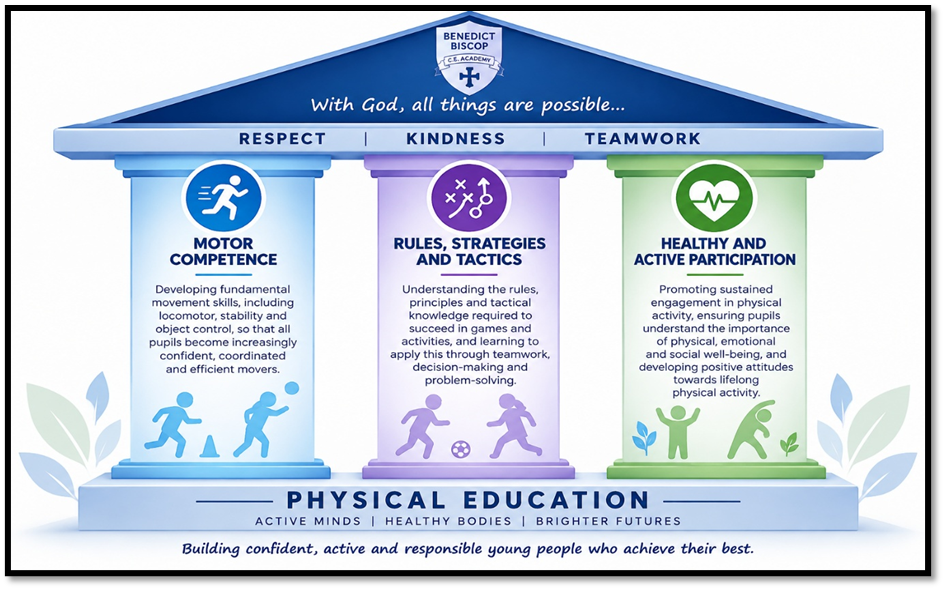
The pillars of P.E.
Our curriculum is organised around three connected forms of knowledge.
1. Motor Competence
Pupils develop and refine the movement knowledge and skills needed to participate successfully in physical activity.
This includes locomotor, stability and object-control skills. As pupils progress through school, movements become increasingly controlled, coordinated, accurate and specific to different activities.
2. Rules, Strategies and Tactics
Pupils are explicitly taught the rules and conventions of different activities alongside the strategies and tactics that allow them to participate successfully.
As pupils progress, they learn to make increasingly sophisticated decisions, solve problems, work with others and adapt their actions in response to different situations.
3. Healthy and Active Participation
Pupils learn how to participate safely, effectively and confidently in physical activity.
They develop an understanding of the physical, social and emotional benefits of being active and are encouraged to develop positive attitudes towards physical activity that can continue throughout their lives.
How our curriculum is organised
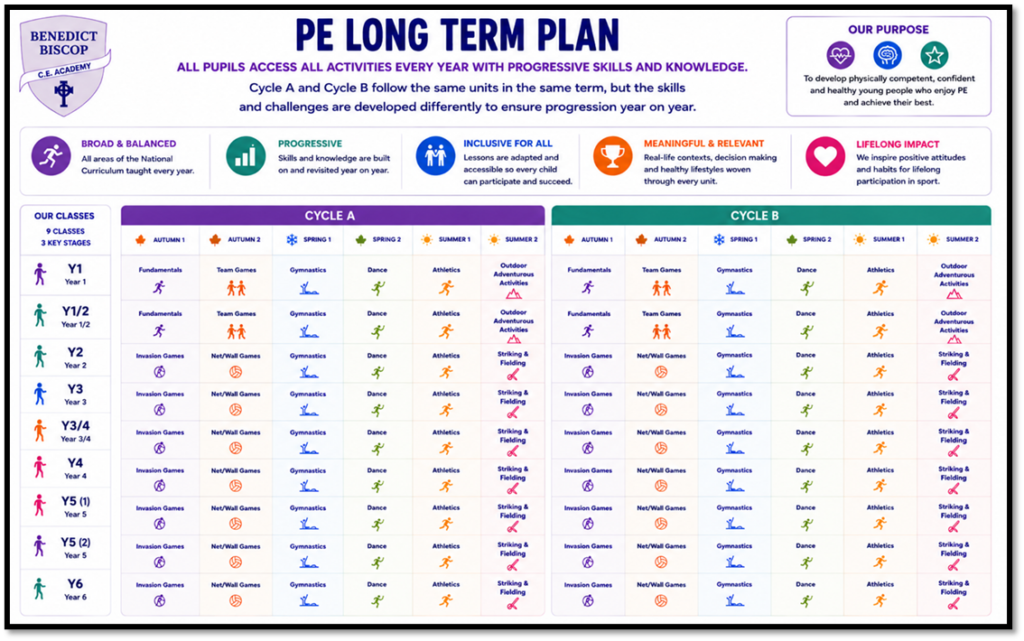
At Benedict Biscop, our PE curriculum provides pupils with both breadth and depth.
Across their time in school, pupils experience: Fundamental Movement | Games | Gymnastics | Dance | Athletics | Striking and Fielding | Net and Wall Activities | Outdoor Adventurous Activities | Swimming and Water Safety
Our A/B curriculum cycle enables mixed-age classes to access a broad PE entitlement while ensuring that knowledge and skills are progressively developed. Cycle A and Cycle B may revisit similar areas of physical activity, but pupils are not simply repeating the same work. Expectations, physical competence, knowledge, decision-making, tactics and levels of challenge develop progressively.
This allows pupils sufficient time to practise and secure important knowledge while increasingly applying it in more complex contexts.
What does learning in PE look like?
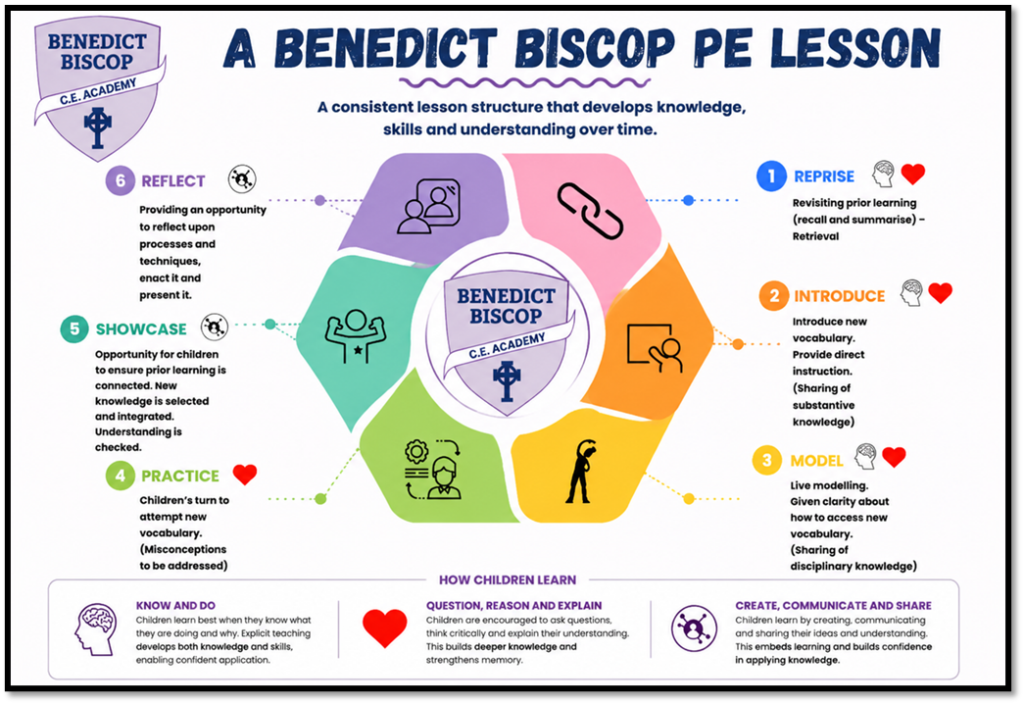
High-quality PE is more than simply providing pupils with opportunities to be active. Every lesson has a clear learning purpose. Across Benedict Biscop, teachers use a consistent approach which allows pupils to:
Reprise → Introduce → Model → Practise → showcase → Reflect
Prior knowledge is revisited regularly. New knowledge and vocabulary are explicitly introduced and modelled before pupils have opportunities for deliberate practice. Teachers provide feedback and adapt challenge so pupils can refine their movement, thinking and decision-making. Pupils then apply their learning within increasingly authentic situations before reflecting upon their performance and identifying what they need to improve next.
The purpose is for learning to result in a lasting change in what pupils know and can do, rather than simply successful participation in an individual lesson.
Inclusion and SEND in Physical Education
Physical Education at Benedict Biscop is ambitious and inclusive. Every pupil is entitled to experience success and make progress within PE.
Our starting point is high-quality teaching and high expectations for all. Teachers know their pupils and consider individual starting points and potential barriers when planning and delivering learning.
Where appropriate, teachers adapt:
equipment | space | task | rules | grouping | communication | level of challenge
without unnecessarily reducing the ambition or purpose of the learning. Explicit instruction, clear modelling, scaffolded practice, appropriate grouping and regular opportunities for feedback and reflection enable pupils to develop competence and confidence.
Where pupils have additional needs, reasonable adjustments are carefully planned so that they can participate meaningfully and work towards the same ambitious curriculum goals wherever appropriate.
We recognise that inclusion does not mean that every child completes an activity in exactly the same way. It means identifying and removing unnecessary barriers so that all pupils belong, participate, learn and succeed.
Beyond the PE curriculum – Physical activity, sport and enrichment
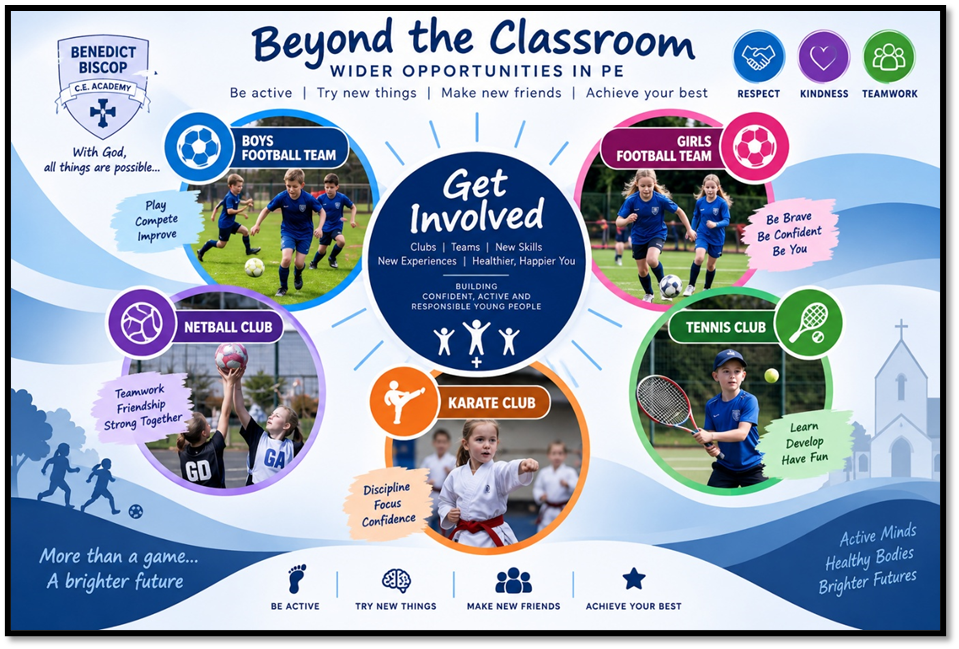
Our commitment to developing healthy and active young people extends beyond curriculum PE.
Pupils have opportunities to participate in extracurricular physical activity and sport, develop their interests and experience activities beyond those taught within curriculum time.
Our wider offer includes opportunities through:
after-school clubs | sporting events | inter-school competition | intra-school competition | sports leadership | specialist provision and visitors | links with community sport
We deliberately use extracurricular activity to enhance and extend the curriculum rather than replace curriculum PE.
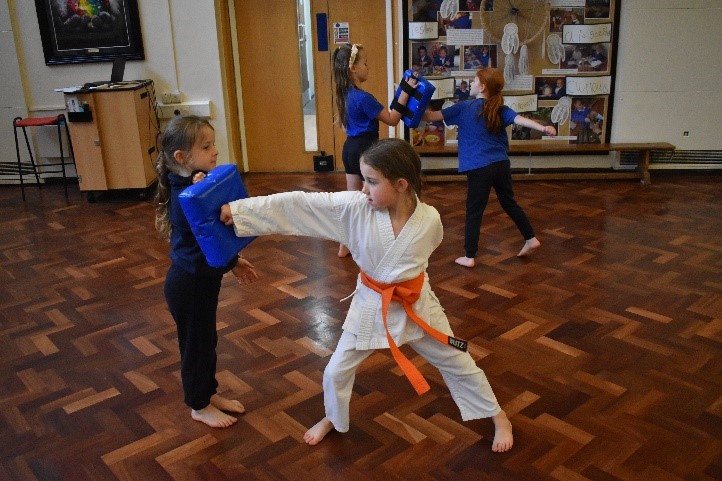
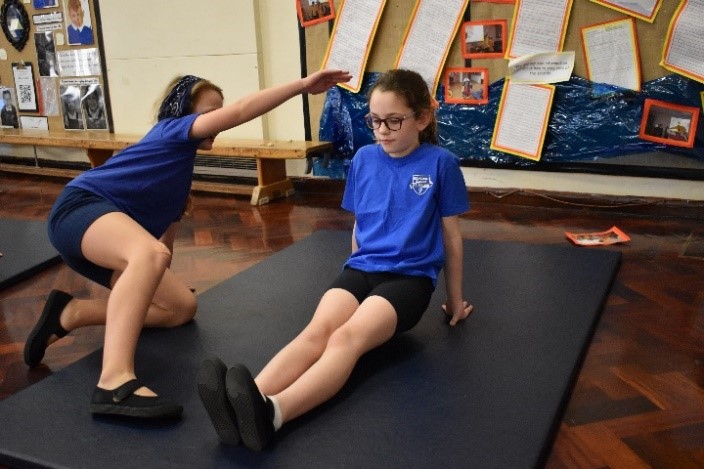
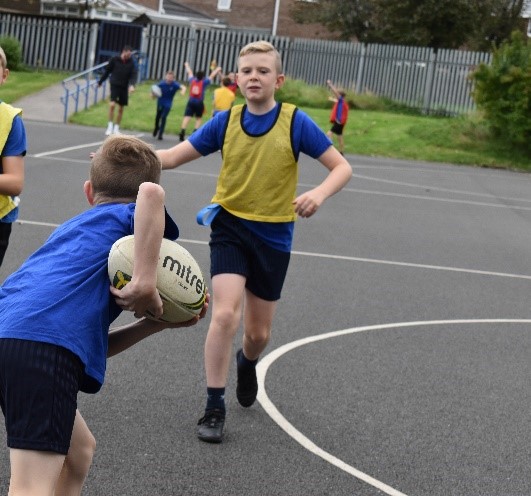
Competitions/sporting events
Competition and School Games
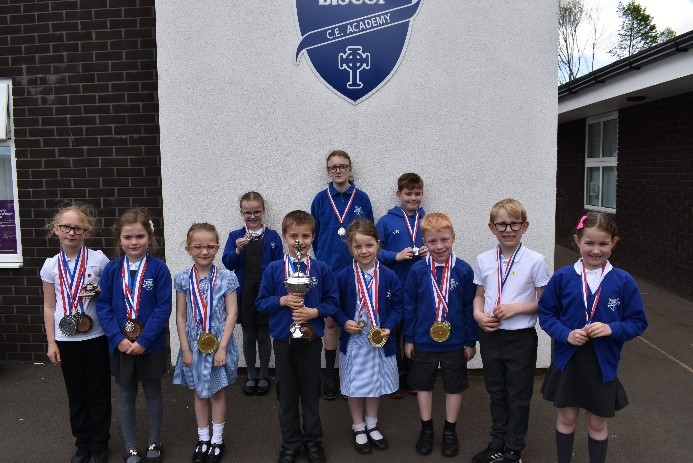
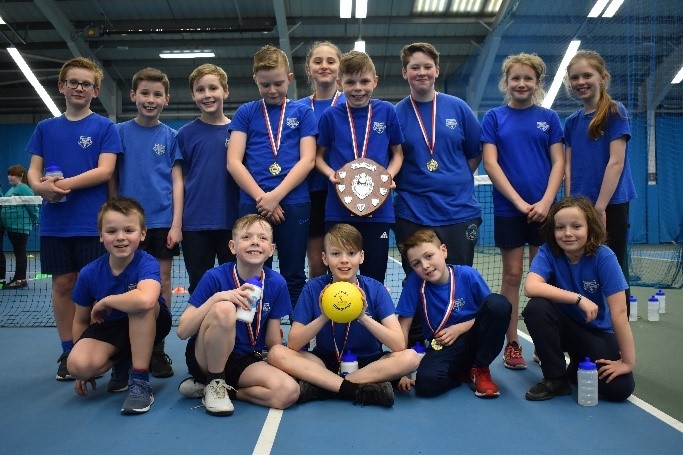
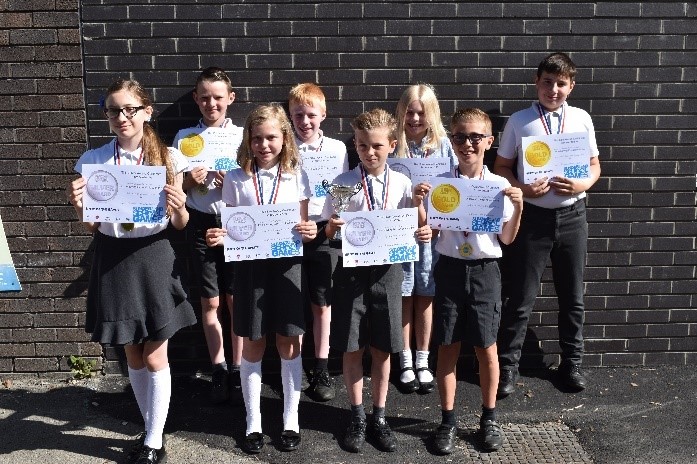
Competition provides pupils with opportunities to apply their learning, represent their school, experience success and challenge and demonstrate values such as respect, teamwork, fairness and determination. Pupils have opportunities to compete within school and against other schools through a range of appropriately selected events.
We aim to ensure that competitive opportunities are inclusive and that participation is not limited only to our most confident or experienced performers. Competition forms one part of our wider sporting offer alongside participation, leadership and recreational physical activity.
OPAL (Outdoor Play and Learning)
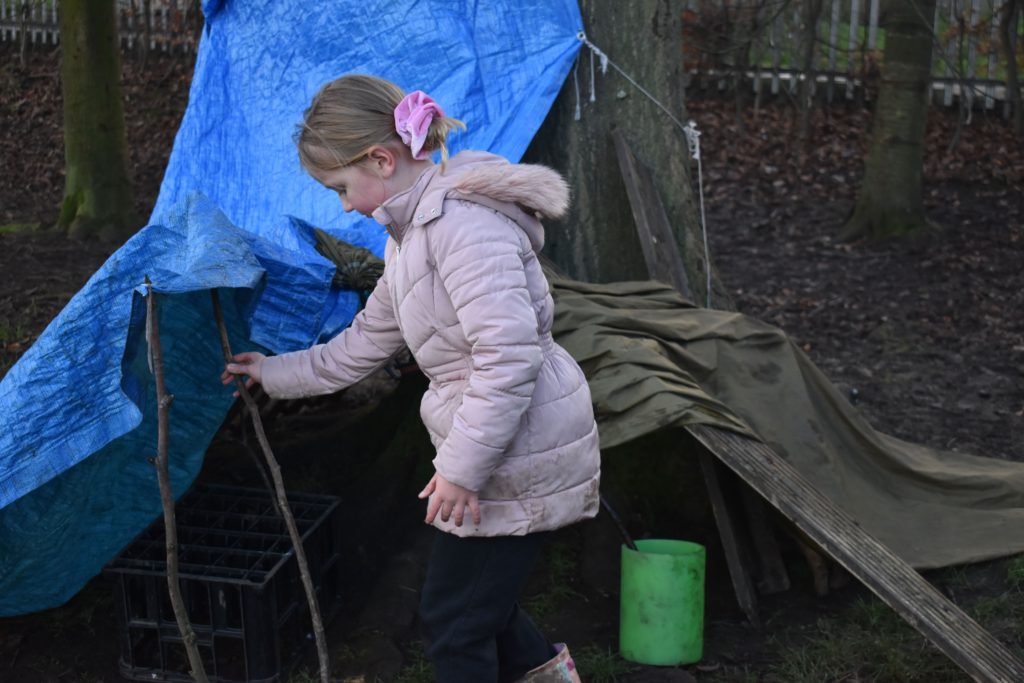
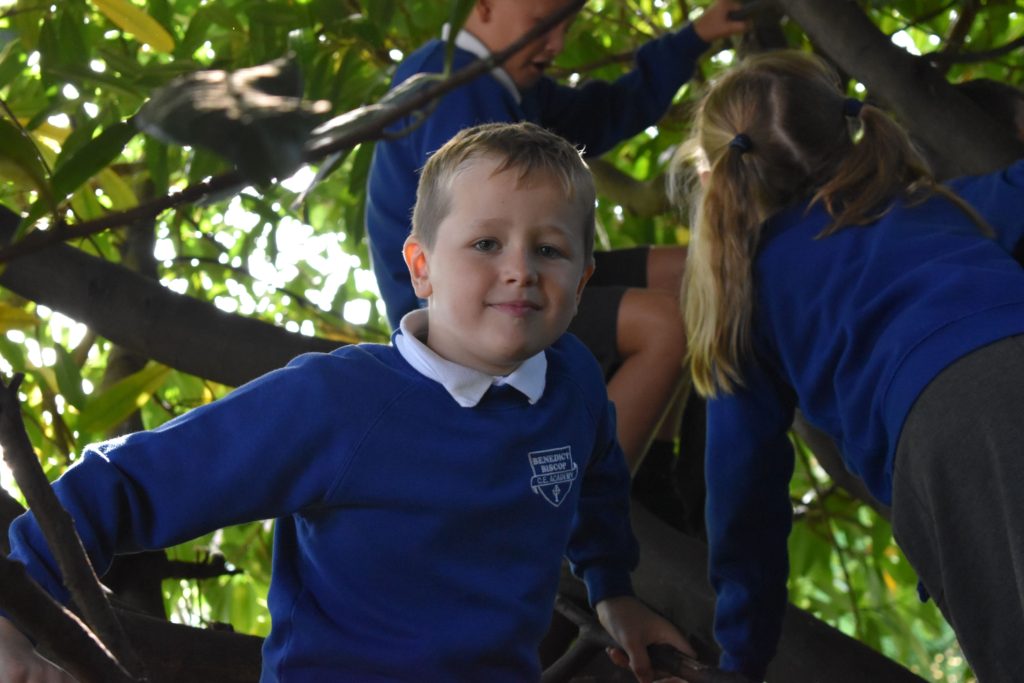
At Benedict Biscop we recognise the importance of play for children’s healthy development. Play promotes cognitive, physical, social and emotional well-being, offering the necessary conditions for children to thrive and learn. Through play, the child can experiment, solve problems, think creatively and cooperate with others.
From an early age in our Foundation Stage, our pupils are offered the possibility to experience several opportunities for unstructured play, in which our pupils can decide what to do, with whom and how. This helps to promote positive self-esteem, autonomy, and confidence.
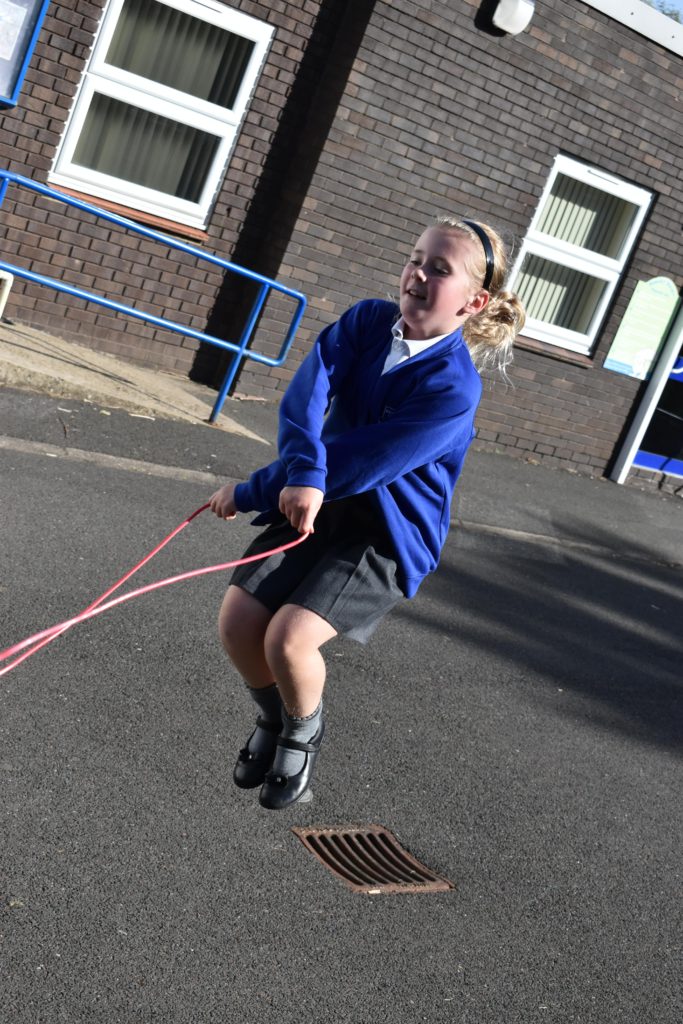
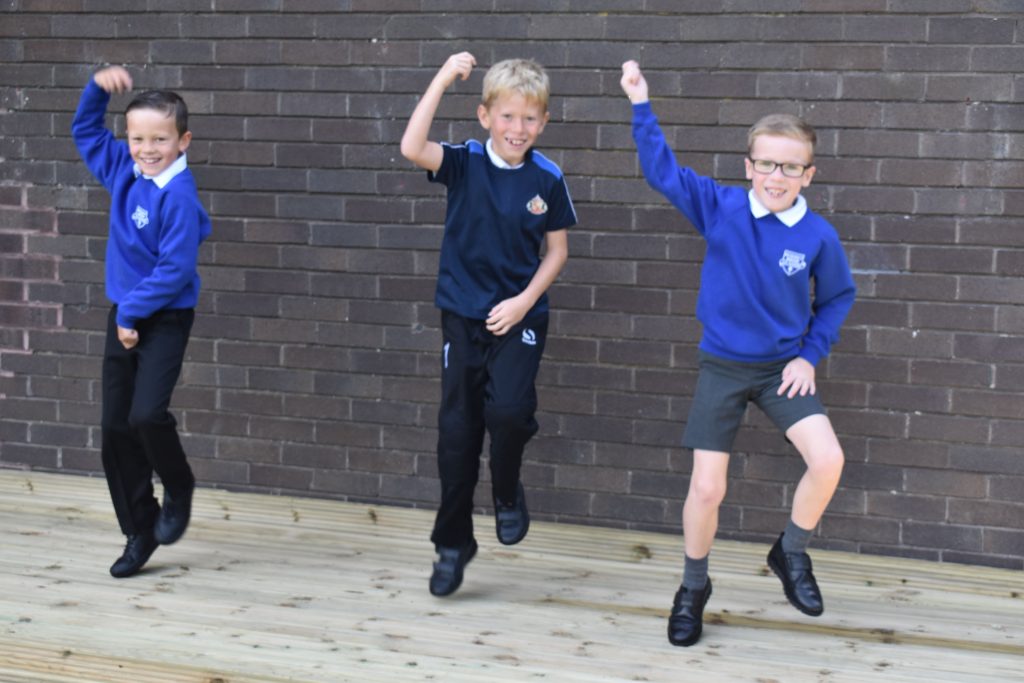
In order to continue this journey throughout the school and build on the non-cognitive skills established within our Foundation, school have worked in partnership with OPAL to continue to provide pupils with these opportunities.
As Nationally, we have an increasing number of pupils leaving Primary school identified as obese, we believe providing children with the opportunity to be active for an increased time on a daily basis, will play its part in helping to combat this issue.
Pupil Voice
Our pupils were key in the decision making move to OPAL. Our Rights Knights School Council had shared with our Governing Body and Leadership team that they found playtimes boring. They felt that space was limited and that they would really like to have the opportunity to access more space and to be able to play with children in other key stages.
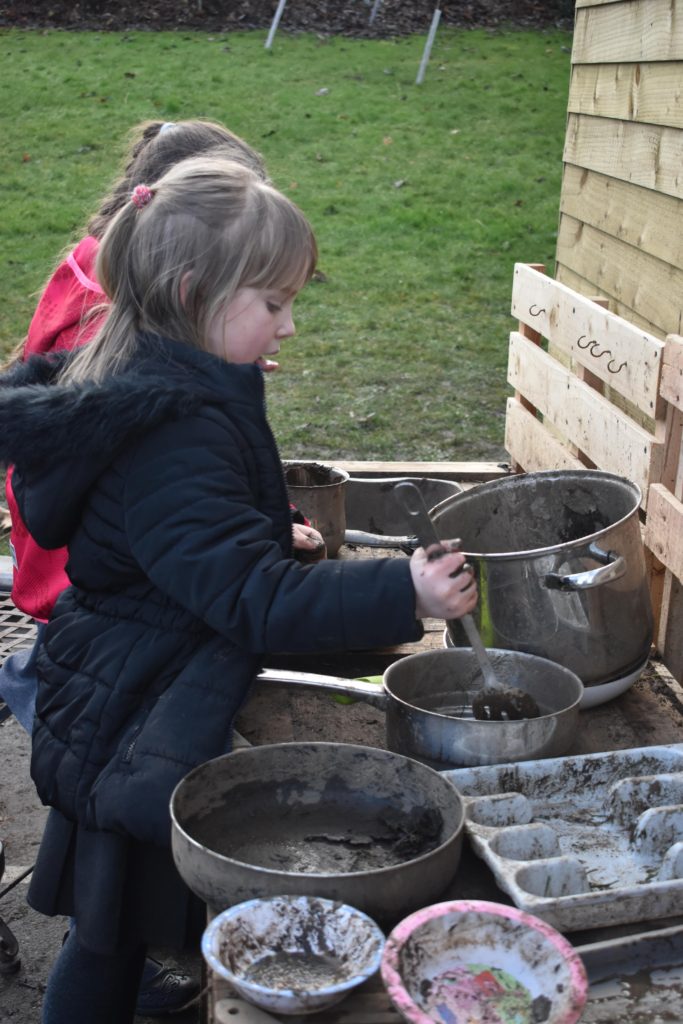
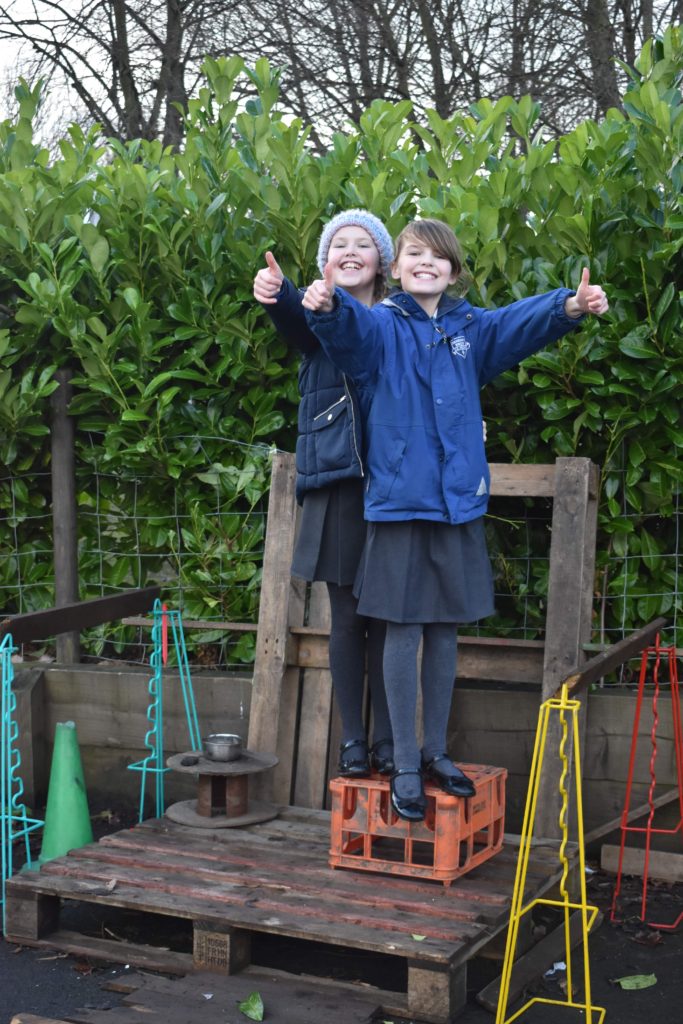
Our pupils love OPAL now and the amazing opportunities it provides. Feedback from pupils identified:
- An increase in enjoyment at playtimes. 96% of pupils said they preferred OPAL playtimes.
- 100% of pupils said they were much more active since the school introduced OPAL.
- 73% of pupils said they enjoyed having much more space to play.
- 93% commented that they felt they now had the opportunity to mix with children in other key stages.
How are we continuing to develop our OPAL curriculum
We have recently worked with pupils to identify what equipment and new areas they would like established within school. This is continuously changing and is reviewed regularly to make sure that pupils interests are catered for and our pupils are continuously engaged.
We now regularly allocate a proportion of our PE premium funding to help develop our OPAL areas.
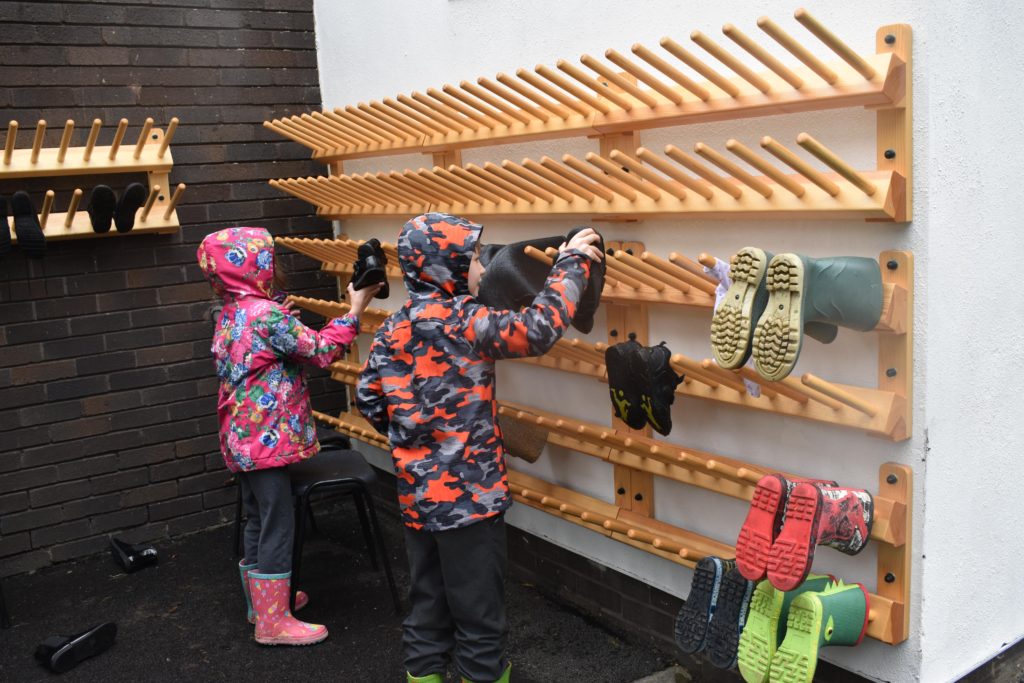
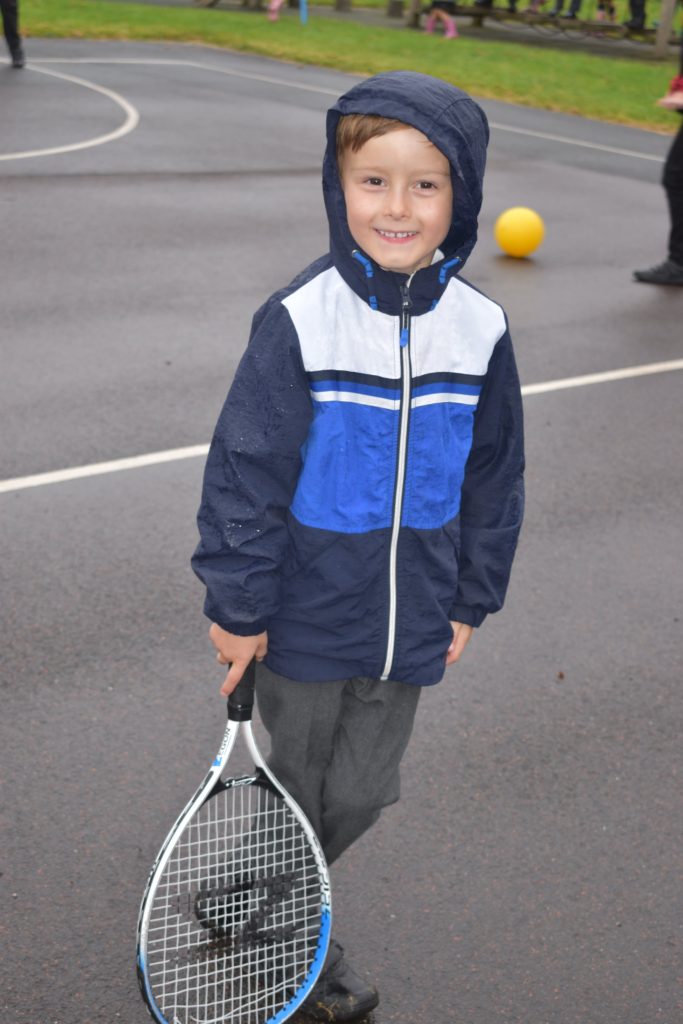
How can you help?
We are constantly looking for donations of high quality resources that we can use in OPAL. The children love to den build and make obstacle courses – undamaged crates, pallets and durable containers are always welcome. As our mud kitchen is outdoors, if you have any metal or plastic pots and pans, wooden spoons etc. we would really benefit from your donations. We are also looking for local contacts in industry who might be able to help us replenish our supplies regularly….so if you know someone, please share with them what the school do.
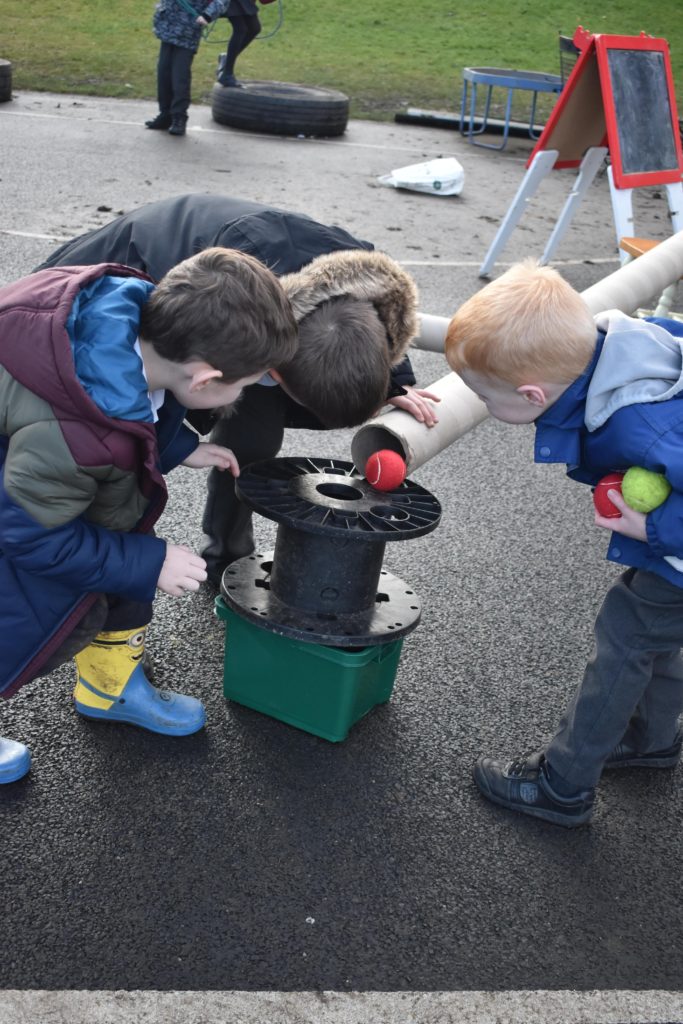
Further learning and opportunities:
Families wishing to support physical activity beyond school can explore links to high-quality resources relating to:
NHS Healthier Families – Activities for Kids
www.nhs.uk/healthier-families/activities/
Active Sunderland – Sports and Activities
www.sunderland.gov.uk/sports
Swim England – School Swimming: Parents and Pupils
www.swimming.org/schools/parents-and-pupils/
Activity Alliance – Inclusive Sport and Physical Activity
www.activityalliance.org.uk/
Active Sunderland – Healthy Lifestyles Programme
www.sunderland.gov.uk/HealthyLifestylesProgramme
Awards
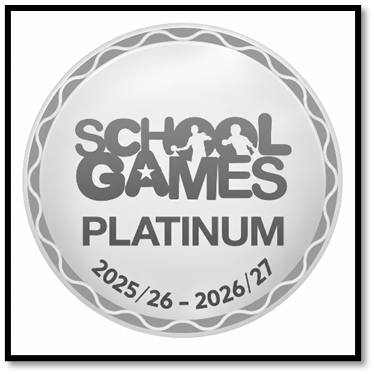
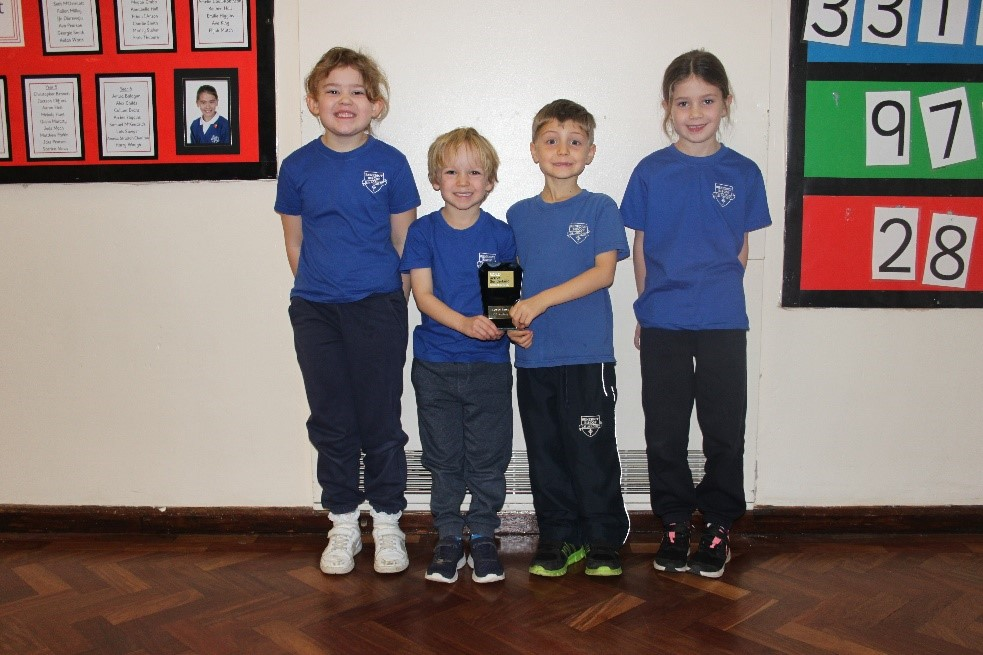
School Games Award Benedict Biscop CE Academy is proud to hold the School Games Platinum Award for 2025/26–2026/27, the highest level of the Government-led School Games Mark. This recognises our sustained commitment to high-quality PE, physical activity and school sport, including inclusive opportunities for pupils to participate, compete, develop leadership skills and enjoy positive experiences of being active

Interested in finding out more?
If you would like to find out more about our curriculum. Please contact the school office by emailing BBinfo@nllt.co.uk and we will ask a member of staff to get back in touch a.s.a.p.